The Four Temperaments
For centuries, philosophers, physicians, and psychologists have tried to answer one of humanity's oldest questions — why do people think, behave, and respond differently?

The idea of temperament can be traced back to ancient Greece, where thinkers such as Hippocrates and Aristotle attempted to classify human behavior and emotional tendencies. Centuries later, Carl Jung expanded the understanding of personality through modern psychological theory — introducing ideas such as introversion, extroversion, thinking, feeling, intuition, and sensation.
The Four Temperaments remain one of the most influential personality frameworks in history, helping people better understand communication styles, emotional patterns, motivations, leadership tendencies, and personal growth.

Hippocrates
c. 460 – c. 370 BC
Father of Medicine & Temperament Theory
01 — Origins
The Origins of Temperament Theory
For thousands of years, humanity has sought to answer a timeless question: Why do people think, feel, and behave differently?
Around 400 BC, Hippocrates introduced the Four Temperaments — Sanguine, Choleric, Melancholic, and Phlegmatic — proposing that personality was shaped by four core behavioral and emotional patterns.
Although modern psychology has evolved beyond the original theories, these behavioral patterns continue to influence personality studies, leadership development, and self-awareness tools today.
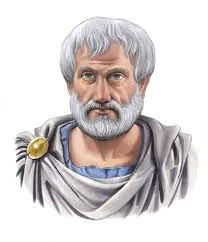
Aristotle
384 – 322 BC
Philosopher of Character & Ethics
02 — Ancient Thought
Aristotle & the Study of Human Character
Aristotle's works on ethics and character emphasized the importance of virtue, habit, and the role of temperament in shaping human behavior.
He explored themes of contemplation, wisdom, and intellectual depth — and argued that a person's character was not fixed at birth, but shaped through consistent patterns of thought and action.
His exploration of the soul, emotions, and rational thought bridged ancient wisdom and the modern study of human psychology.
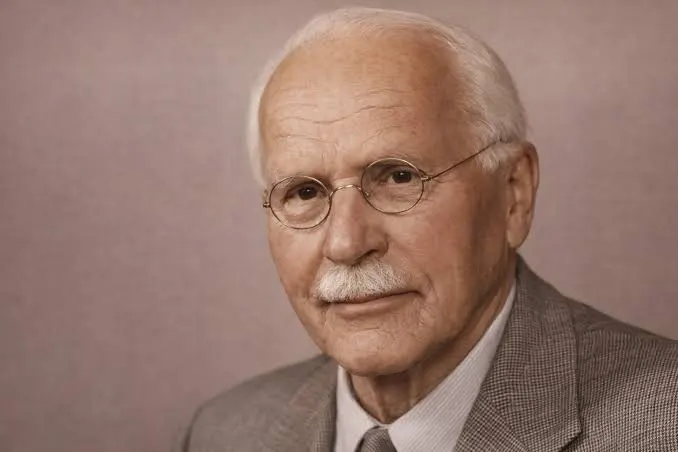
Carl Jung
1875 – 1961
Father of Analytical Psychology
03 — Modern Psychology
The Shift to Modern Psychology
Carl Jung expanded personality theory by introducing Introversion & Extroversion, Thinking & Feeling, and Intuition & Sensation — bringing ancient temperament ideas into rigorous modern psychology.
His work later inspired frameworks like the Myers-Briggs Type Indicator. Today, personality assessments are used globally in personal development, leadership, hiring, and team building.
Jung believed that understanding personality was not about labeling people, but about uncovering the patterns that drive how we think, relate, and grow.
04 — Purpose
Why It Still Matters Today
Understanding your temperament helps you recognise your natural strengths and motivations, and how you respond to challenges and relationships.
No personality type is better than another. Each carries unique strengths, challenges, and growth opportunities. Most people are a blend of multiple traits.
Understanding your temperament can help you build greater self-awareness, strengthen relationships, improve teamwork, and better understand how you naturally engage with the world.
Which one is you?
sanguine — The Enthusiast
The Social Optimist · Element: Air
According to Hippocrates' temperament theory, the Sanguine personality was associated with blood, representing energy, vitality, enthusiasm, and sociability. People with strong Sanguine traits are often expressive, optimistic, energetic, and naturally drawn toward people and experiences.
Aristotle's writings on human character also reflected admiration for socially expressive individuals who influenced others through emotion, communication, and charisma.
In modern psychology, Carl Jung's concepts of extroversion strongly connect with many Sanguine characteristics. Jung described extroverted individuals as people energized by interaction, activity, and engagement with the outside world.
Common traits
- Friendly and outgoing
- Energetic and expressive
- Enjoys social interaction
- Creative and spontaneous
- Motivates and inspires others
- Optimistic and emotionally open
Where they thrive
Sanguines often thrive in communication, leadership, teaching, sales, entertainment, and collaborative environments where energy and human connection are important.
Watch out for
They may sometimes struggle with consistency, patience, focus, or long-term organization due to their excitement-driven nature.
choleric — The Leader
The Driven Leader · Element: Fire
Hippocrates associated the Choleric temperament with yellow bile, representing ambition, intensity, determination, and strong willpower. Cholerics are often highly goal-oriented individuals who naturally take charge and pursue results.
Aristotle frequently emphasized discipline, purpose, achievement, and rational action — characteristics commonly linked to strong Choleric personalities.
Carl Jung's psychological theories align Choleric tendencies with dominant, decisive personalities who rely heavily on logic, structure, and external action. Many Choleric traits can also reflect Jung's "thinking" preference combined with extroverted behavior.
Common traits
- Confident and decisive
- Ambitious and competitive
- Strategic and action-oriented
- Independent and self-driven
- Comfortable leading others
- Focused on goals and results
Where they thrive
Cholerics often excel in leadership, business, operations, entrepreneurship, management, and environments that require initiative and decision-making.
Watch out for
Because they are highly driven, they may sometimes appear impatient, controlling, overly critical, or emotionally reserved under pressure.
melancholic — The Thinker
The Analytical Thinker · Element: Earth
In Hippocrates' theory, the Melancholic temperament was connected to black bile, symbolizing deep thought, sensitivity, reflection, and seriousness. Melancholics tend to be highly analytical, detail-oriented, and emotionally aware.
Aristotle often explored themes of contemplation, wisdom, and intellectual depth — qualities strongly associated with Melancholic personalities.
Carl Jung's work closely reflects many Melancholic characteristics, particularly through introversion and intuition. Jung believed some individuals naturally focus inwardly, processing ideas deeply and seeking meaning, structure, and understanding.
Common traits
- Thoughtful and analytical
- Detail-oriented and organized
- Reflective and introspective
- Creative and intellectual
- Values accuracy and depth
- Emotionally sensitive
Where they thrive
Melancholics often perform exceptionally well in research, finance, writing, design, strategy, engineering, analysis, and creative work requiring precision and depth.
Watch out for
They may struggle with perfectionism, overthinking, self-criticism, or becoming emotionally overwhelmed.
phlegmatic — The Peacekeeper
The Calm Stabilizer · Element: Water
Hippocrates connected the Phlegmatic temperament with phlegm, representing calmness, balance, patience, and emotional steadiness. Phlegmatics are often peaceful, dependable, and relationship-oriented individuals who value harmony and stability.
Aristotle's philosophy emphasized moderation, balance, and emotional control — principles that strongly align with the Phlegmatic temperament.
In Jung's framework, many Phlegmatic traits resemble introverted and emotionally balanced personality patterns. Jung described individuals who preferred stability, calm environments, and thoughtful interaction over constant stimulation.
Common traits
- Calm and patient
- Loyal and dependable
- Emotionally steady
- Supportive and understanding
- Good listeners
- Prefers harmony over conflict
Where they thrive
Phlegmatics often excel in supportive leadership, counseling, administration, teamwork, caregiving, customer relations, and environments requiring patience and consistency.
Watch out for
They may sometimes avoid confrontation, resist sudden change, struggle with decisiveness, or remain too comfortable in routine situations.
Curious which one is you?
Take our free personality test — a guided, conversational assessment that takes about 5 minutes. No sign-up required.
Take the Personality Test